About
Harm to Healing Collaborative is dedicated to cultivating pathways for healing, accountability, and community-led change after harm or conflict. Our work centers on the belief that harm is best addressed not through punishment and isolation, but through processes that foster understanding, repair, and transformation for everyone involved. We facilitate restorative dialogues, professional trainings, and structured programs that bring together people who have been harmed, people who have caused harm, and community and justice-system partners through carefully guided, accountability-centered processes designed to support repair, healing, dignity, and reintegration.

For years, we have been known as the Transformative Justice Institute. As our work has grown and deepened, we are stepping into a new name: Harm to Healing Collaborative. This name reflects our ongoing commitment and evolving approaches to transforming harm into healing, centering community, and reimagining justice.
Our Values
Healing
We believe justice must make healing possible—deep, life-changing healing that addresses harm honestly and allows people and communities to move forward with dignity.
Accountability
Healing requires responsibility. We value accountability that acknowledges harm, understands its impact, and commits to meaningful repair.
Dignity
Every person has inherent dignity. We reject shame and dehumanization and uphold dignity as essential to safety, responsibility, and change.
Safety
We prioritize emotional, physical, and psychological safety.
Truth
Truth-telling and deep listening are foundational. Healing requires honesty, presence, and the courage to fully hear one another.
Integrity
We practice with discipline, care, and ethical responsibility, holding ourselves to the same standards we ask of others.
Our Team
Our team combines trained professionals and restorative practitioners with lived experience — including survivors and formerly incarcerated leaders — who translate restorative values into real practice. We bring structure, care, integrity, and follow-through to work that requires trust and needs to be done well.
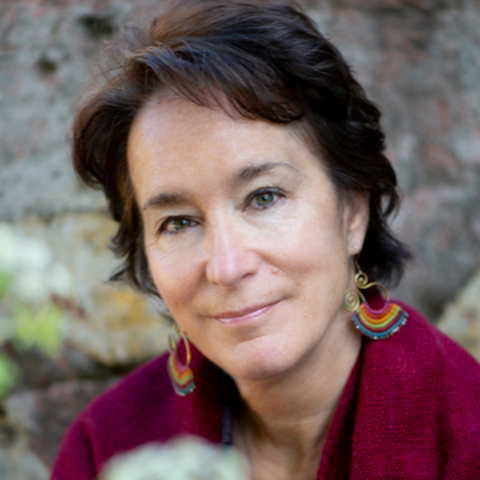
Rochelle Edwards MS, LMFT
Founder and Executive Director
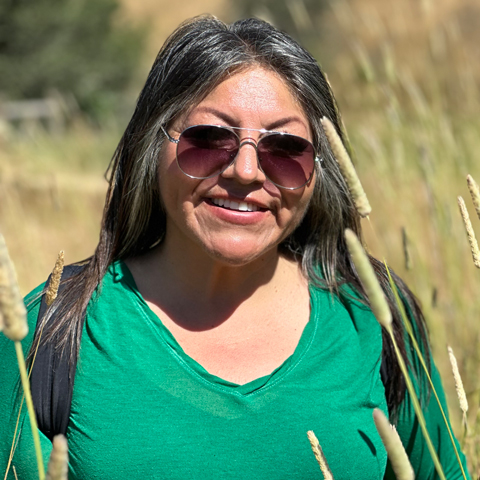
Brijida “Brijit” Alemán
Lead Trainer, Spanish Transformative Mediation Program
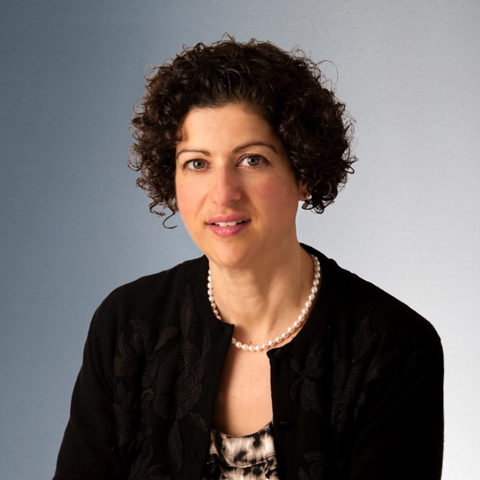
Judy Bornstein
Lead Trainer, Mediator, and Facilitator
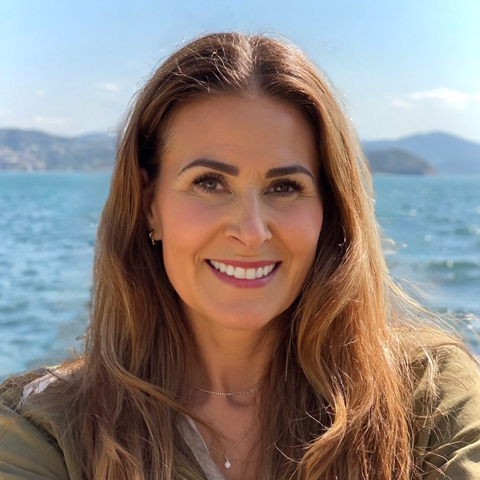
Frannie Pope Hohman
Volunteer Facilitator
Jereal Nelson
Trainer, Mediator, and Facilitator
Ebony Sinnamon Johnson
Program Development, Lead Facilitator for Family Reunification Program
Sunil Joseph
Trainer and Facilitator, Family Reunification Program
Jess Nichol
Facilitator, Fundraiser
Joshua Strange
Organizational Development, Trainer, Facilitator, and Mediator
Jasmin Borges
Trainer, Restorative Freedom Curriculum
Our Board
The board provides independent oversight, financial stewardship, and strategic guidance to ensure mission alignment, accountability, and responsible growth.
Rochelle Edwards
Greg Eskridge
Lorenzo Jones
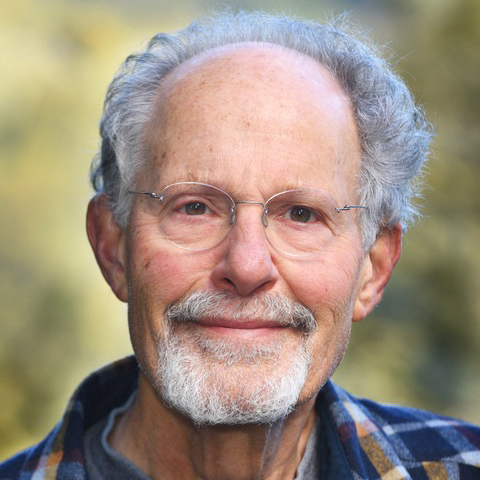
Eliezer Margolis
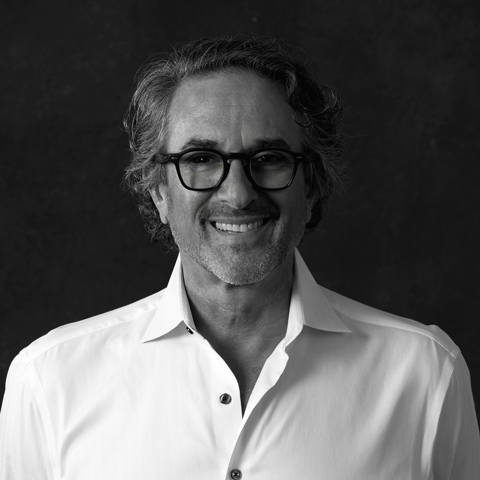
John Martin
Frannie Pope Hohman
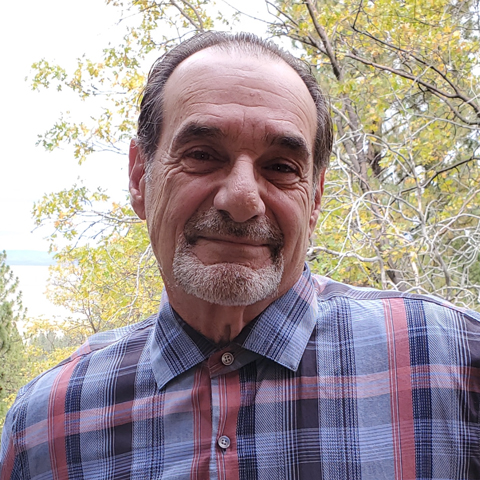
David Basile
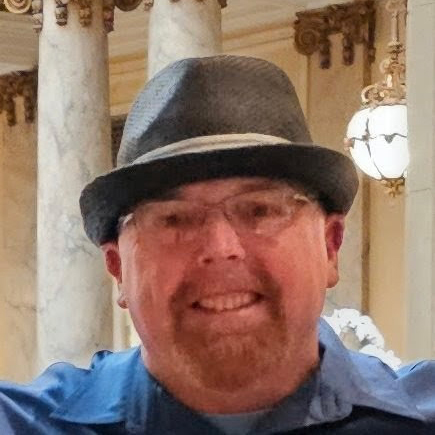
Robert Frye
Rochelle Edwards MS, LMFT
Rochelle is a licensed psychotherapist, restorative justice practitioner, and visionary leader with nearly three decades of experience at the intersection of the criminal justice system, healing, and human transformation. She leads the Harm to Healing Collaborative with an unwavering belief in people’s capacity to grow, repair harm, heal, and reimagine their lives beyond the limits of their past.
Over the course of her career, Rochelle has designed and implemented restorative justice curricula for incarcerated individuals, reentry populations, and diversion programs, creating pathways for accountability, healing, and successful reintegration. Her work centers those most impacted by harm while equipping individuals and communities with tools to interrupt cycles of violence and disconnection.
As a trauma-informed clinician with decades of experience, Rochelle supports individuals, couples, families, and organizations in navigating trauma, addiction, relational rupture, and the enduring impacts of incarceration. She is known for building trust across diverse communities and for holding space that honors both responsibility and compassion.
She brings together restorative justice practices and psychotherapy to create transformative experiences where people are met with dignity, challenged toward accountability, and supported in making meaningful, lasting change. Her work is not only about addressing harm, but also about helping build the conditions for individuals and communities to thrive.
What drives my work: “Helping people face harm honestly and with dignity while finding a path forward for all.”
Brijida “Brijit” Alemán
Brijit is a bilingual Associate Professional Clinical Counselor (APCC) and Associate Marriage and Family Therapist (AMFT), healer, and community advocate. At Harm to Healing Collaborative, she serves as Lead Trainer for the Spanish Transformative Mediation Program, helping expand culturally grounded, language-accessible restorative practice for Spanish-speaking participants and communities.
Native (Pomo, Wailaki) and Indigenous Mexican (Huasteca) lineage, Brijit carries forward generations of resistance, leadership, and collective healing. Brijit’s work sits at the intersection of mental health, cultural healing, and justice. She centers care for incarcerated and justice-impacted people and for Spanish-speaking communities who have been historically marginalized, criminalized, and silenced. As a traditional healer and circle facilitator, she leads truth-telling and restoration circles that support collective processing of intergenerational and historical trauma, cultural reclamation, and the reclamation of voice and identity.
Currently working in higher education as a psychotherapist, Brijit supports college students of diverse backgrounds and ages. She also maintains a private practice serving children, youth, and families. As a therapist, she provides trauma-informed, culturally responsive therapy rooted in cultural healing and liberation that centers clients’ identities, community strengths, and pathways to healing.
She blends storytelling, relational healing, and traditional practices with trauma-informed, culturally responsive approaches. Bilingual services in Spanish are central to her work, with language serving as a bridge to trust, culture, and liberation. Known for a bold, heart-centered presence, Brijit believes healing is collective, resistance is sacred, and transformation is possible.
“It’s not about the doing, but about the BEING.”
Judy Bornstein
Judy co-leads training and program development for Harm to Healing Collaborative’s Transformative Mediation Program inside San Quentin Rehabilitation Center. There, she offers mediation and conflict resolution training to incarcerated men interested in nonviolent conflict resolution. She is also the founder of C Suite Resolutions, where she works with executives and organizations to “increase the peace and reduce the risk.”
In addition to providing training in navigating conflict, Judy’s work includes negotiation coaching, mediation, and service as an ombuds for a variety of organizations. She has a particular passion for helping people find their voice in workplace conflict, especially when it feels like the only two choices are going to war or surrendering.
Judy is currently a doctoral candidate at Penn State’s Smeal College of Business, where her research focuses on organizational conflict. She holds a Master’s in Dispute Resolution from Pepperdine University’s Caruso School of Law, where she received the CALI Excellence for the Future Award, and an MBA from Simmons University in Boston, where she graduated first in her class. She received her mediation certification through the Bar Association of San Francisco.
She also serves on the Bar Association of San Francisco Mediation Panel and on FINRA’s Arbitration Panel, and is a regular mediator with the Congress of Neutrals, where she mediates court cases in Contra Costa County.
Frannie Pope Hohman
Frannie Pope Hohman is a certified mediator and facilitator with extensive experience leading dialogue groups inside the San Quentin Rehabilitation Center. She supports Harm to Healing Collaborative’s in-custody dialogue and restorative programming and helps strengthen facilitation quality and participant readiness. Frannie also serves on the organization’s Board of Directors.
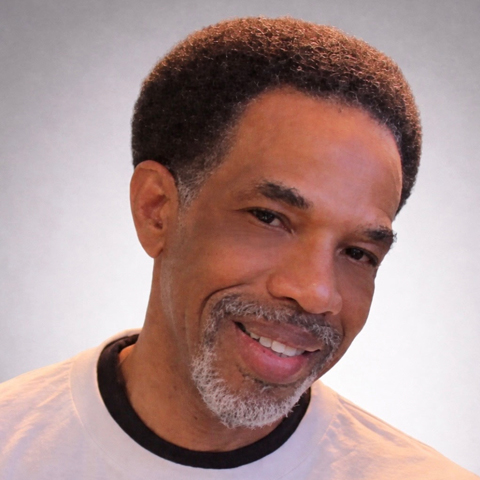
Jereal Nelson
Jereal was born and raised in the Bay Area. After a series of harmful and short-sighted decisions, he was sentenced to 27 years of incarceration. During that time, he committed himself to deep personal transformation. He earned his GED, participated in the Mount Tamalpais College program at San Quentin, addressed his substance-use challenges, and practiced emotional intelligence as a daily discipline.
At Harm to Healing Collaborative, Jereal serves as a trainer, mediator, and facilitator, drawing on both lived experience and formal training to support healing, accountability, and community transformation. While incarcerated, he became a peer mentor and facilitator for programs such as Nonviolent Communication (NVC) and the Victim Offender Education Group (VOEG). He completed more than 300 hours of training in alternative dispute resolution, including mediation, arbitration, and negotiation.
He is also a graduate, lead mentor, and co-creator of the Transformative Mediation Program at San Quentin, where he helped mediate conflicts between incarcerated men and between incarcerated people and staff.
Since his release, Jereal has continued his commitment to healing and community leadership. He focuses on restorative justice, youth development, and building safer, more stable communities through emotional intelligence, conflict resolution, and mentorship. His work reflects a lifelong dedication to transformation, accountability, and service.
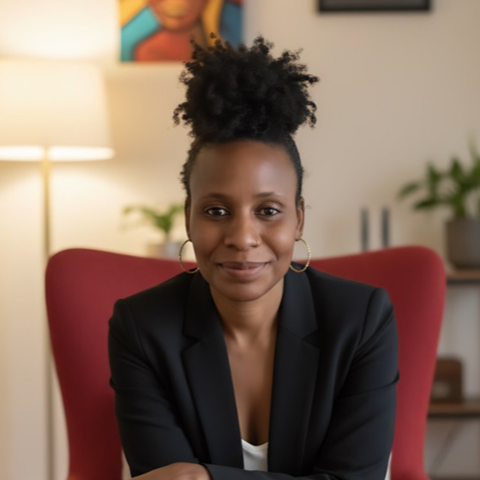
Ebony Sinnamon Johnson
Ebony is a healing-centered coach, therapist, mediator, and dynamic facilitator committed to cultivating individual and collective transformation. Her work sits at the intersection of emotional healing, relational repair, community-driven solutions, and systems change — particularly for communities impacted by structural harm in educational and carceral systems.
At Harm to Healing Collaborative, Ebony has been instrumental in the development and implementation of the Family Reunification Program and serves as its Lead Facilitator.
Ebony supports individuals, families, and communities in deepening emotional awareness, healing trauma, and navigating conflict with compassion and accountability. Through therapy, coaching, mediation, and transformative trainings, she creates spaces where people can reconnect with their authentic selves and reimagine relationships grounded in dignity, truth, and care. Known for her strength-based approach, she has a unique ability to illuminate people’s inherent gifts while gently, but unapologetically, piercing beneath the surface to confront root causes and address what truly needs healing.
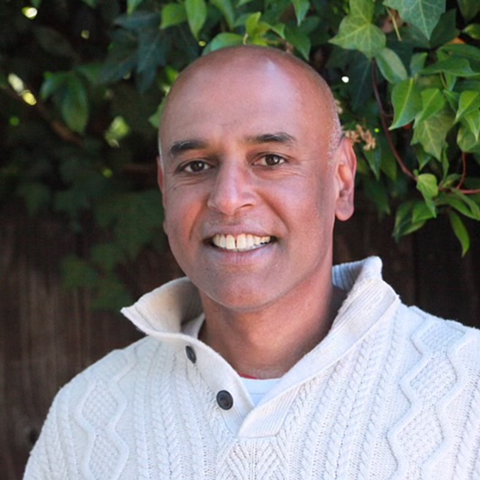
Sunil Joseph
Sunil has been involved in prison rehabilitation work since 2019. At Harm to Healing Collaborative, he serves as a trainer and facilitator with the Family Reunification Program. He was part of the dedicated team of volunteers — including incarcerated individuals — that helped bring the program from a set of ideas to an active offering, successfully supporting two cohorts of families and their incarcerated loved ones as they prepared for reunification.
Sunil is also a certified GRIP facilitator, actively engaged in teaching a restorative justice-based healing and accountability program within California’s prison system. He helps create remote learning courses for incarcerated people under the auspices of the Buddhist Prison Ministry. In 2021, he completed the two-year mindfulness meditation teacher certification program led by Jack Kornfield and Tara Brach, and he is also a graduate of BayNVC’s one-year NVC Leadership Program.
Sunil has also been engaged in his own psychospiritual development as a student of the Ridhwan School for more than ten years.
“I deeply appreciate the wisdom imparted by remarkable teachers and teachings, which have enriched my life in countless ways. I wholeheartedly welcome opportunities to support others on their personal path to fulfillment and wellbeing.”
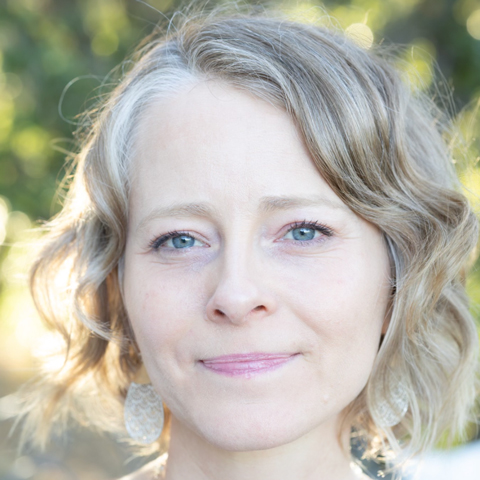
Jess Nichol
Jess is a survivor advocate, facilitator, and speaker working at the intersection of criminal justice reform and restorative justice. At Harm to Healing Collaborative, she is part of the facilitation team for the Transformative Mediation Program at San Quentin and also hosts Harm to Healing House Salons — intimate gatherings where community members can encounter the work up close.
Jess organizes with a coalition of murder-victim family members advocating for sentencing reform and advises California’s corrections system on trauma-informed communications for victims and survivors.
Jess brings more than fifteen years of facilitation experience to her work, along with a B.A. in Language Studies from UC Santa Cruz. She has testified before California legislators, given a TEDx talk, and spoken before audiences ranging from policymakers to high school students. Everything she does is grounded in the conviction that transformation is possible — for individuals and for systems.
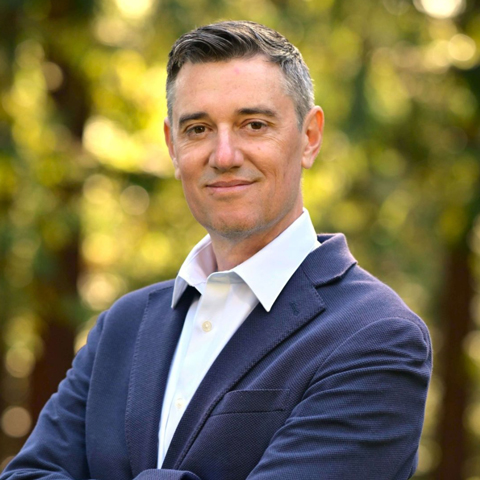
Joshua Strange
Joshua Strange supports Harm to Healing Collaborative’s strategy, program development, training design, partnerships, and organizational capacity building across community and justice-system settings. He also assists with training and program facilitation. A certified mediator with restorative justice training, he brings an implementation-focused approach to translating restorative values into clear processes, strong facilitation tools, and sustainable programming.
Grounded in lived experience, including firsthand understanding of the impact of harm and the important work of accountability, Joshua is passionate about building practical pathways from harm to healing wherever possible. He has written award-winning journalism and holds a Ph.D. in the biological sciences, an MBA in Leadership, and a degree in sociology. In the few moments when he is not working, Joshua spends time with family and finds reset time outdoors, especially near the water.
“As a wise elder once told me, ‘No matter where you are or what happens, facilitate as much good as you can.’ I am humbly honored to be part of the amazing work that the Harm to Healing Collaborative is doing.”
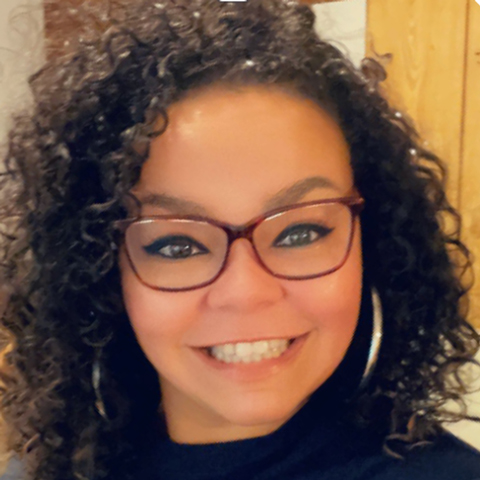
Jasmin Borges
Jasmin Borges is the Director of Organizing for the Mass Bail Fund, where she helps lead community-based efforts to end wealth-based detention and support people navigating the harm of pretrial incarceration. As a formerly incarcerated Puerto Rican woman, Jasmin brings lived experience, political clarity, and deep compassion to her work. Since coming home, she has committed her life to fighting for the liberation of all our people but especially for the sisters she left behind.
Jasmin is also a proud mother of two and a loving grandmother to a beautiful grandbaby who reminds her every day what is at stake in the fight for freedom. Family deepens her commitment to building a future where generations can thrive without fear of cages, poverty, or state sanctioned violence.
Breaking generational barriers, Jasmin earned her master’s degree last spring 2025, becoming a testament to what is possible when directly impacted people are given the opportunity to rise, lead, and redefine their narratives. Her educational journey reflects her belief that transformation is real and that our communities are filled with brilliance that simply needs space to grow.
Jasmin believes that safety does not come from cages, but from stable housing, meaningful employment, access to health care, education, and strong community relationships. She stands firmly on the principle that all people are deserving of freedom, love, safety, housing, meaningful employment, and peace regardless of race, class, gender identity, or the mistakes made in moments shaped by poverty, trauma, and systemic neglect.
Rochelle Edwards
Rochelle Edwards is the Founder and Executive Director of Harm to Healing Collaborative. A restorative and transformative justice practitioner, she brings deep experience developing dialogue-based programs in community and justice-system settings. She participates in board meetings in an ex officio, non-voting capacity to support governance and strategic direction.
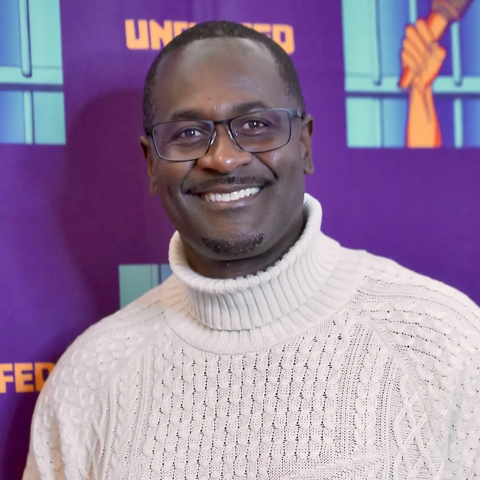
Greg Eskridge
Greg Eskridge is a founding member of the Uncuffed radio program and podcast. Uncuffed is the country’s leading radio and podcast training program for people in prisons. Produced by men and women in California prisons in collaboration with KALW’s team, Uncuffed offers deeply humanizing narratives that challenge stereotypes, foster empathy, and provide a rare window into the complex lives of incarcerated people. Just as importantly, Uncuffed classes equip participants to become skilled communicators and mediamakers, driving change inside prison and outside upon their release.
For over a decade at San Quentin, Greg fostered an atmosphere of professionalism and dedication, which led the program to produce great content and win numerous awards. On July 23, 2024, Greg was released from San Quentin prison after serving 30 years and 25 days. He was welcomed by family, friends, and both current and former members of the KALW team. A few months later, Greg began working full-time as Uncuffed’s first Leadership Fellow, later becoming Associate Program Director and now, Co-Director. Greg hosted Season 4 of the Uncuffed podcast, sharing his personal story of re-entry. He looks forward to continuing to elevate the voices of system-impacted individuals and being a role model for the professional path created by Uncuffed programs.
Greg was also a graduate of the Harm to Healing Collaborative’s “Reintegration and Rentry” program. Today, he is a member of the Board of Directors.
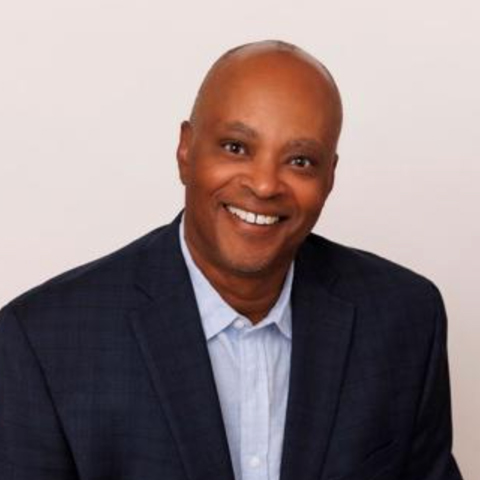
Lorenzo Jones
As an executive business coach, speaker, facilitator, and trainer, Lorenzo focuses on fostering productive learning environments and establishing trust-based relationships with clients and community benefit corporations. Lorenzo has worked with individuals and organizations across the US, collaborating with executives, board members, and teams to support their goals.
As an inspirational leader, Lorenzo emphasizes the importance of overcoming limiting beliefs. He communicates in a manner intended to engage and motivate clients, and supports them in identifying barriers and exploring new perspectives. His interest in talent development was inspired by his own personal development journey and working alongside mentors, including assisting with projects in Ghana.
Influences in Lorenzo’s life include his grandparents, his great-grandfather’s entrepreneurial activities, and his mother’s commitment to her work and family. Originally from the Midwest, he relocated to California to pursue his education. Personal interests include hosting informal dinners at home with my wife, drumming, cycling, and travel—with aspirations to experience an African safari.
You can find Lorenzo on LinkedIn.
Eliezer Margolis
Eliezer Margolis is a board-certified (ABPP) rehabilitation psychologist who retired from independent practice in Evanston, Illinois, as an Illinois-licensed Clinical Psychologist, and from teaching as an Assistant (Clinical) Professor in the Department of Psychiatry and Behavioral Sciences at the Feinberg School of Medicine, Northwestern University. After retiring in 2015, he moved to Marin.
Since retiring from active practice, Eliezer has focused on studying the distinctive nature of rehabilitation in the carceral context as well as grant-making through The Returning Wealth Philanthropic Fund. From early 2022 through late 2024, he volunteered as a faculty member at Mount Tamalpais College at the San Quentin Rehabilitation Center, including the design and implementation of a five-session writing workshop focused on using the essay form as a means of self-presentation.
On the board, Eliezer supports Harm to Healing Collaborative’s work through a rehabilitation psychology and neurobehavioral health lens, strengthening trauma-informed practice, program quality through research leadership, and ethical readiness for sensitive restorative processes.
Eliezer has been married for 49 years to Sunny Balsam, a native plant propagator and an advocate of habitat gardening. He and Sunny have had the privilege and joy of raising two sons who both now reside in the Bay Area.
Further detailed information is available at his personal website.
John Martin
John started his career in restaurants, working for 11 years while going to school. He joined OpenTable as the first sales hire and helped grow the organization from 5 to 50,000+ restaurants over 12+ years. He started as the highest performing Account Executive, but spent his last 8 years in a Sales Leadership role. He and his colleagues lead the growth of the company from a small scrappy start up to a $2.6 billion valuable in the public markets.
Then John started a career in building early-stage tech start-ups. He evaluated hundreds of businesses but chose 30 of them to scale over the last 15 years. His roles ranged from advisor to CRO, to consultant. He has seen plenty of success, but credits failure as his best learnings.
Today, John is still working part-time with early stage companies and working as a board member of Harm to Healing Collaborative. He spends his time gardening, practicing yoga, and cooking. He cycles 6,000+ miles per year, much of it in Europe. When the snow is falling, you will find John on Skate skis on Nordic trails.
John lives with his partner Nancy, and has two wonderful children. He graduated from the University of Miami with a BBA and MBA. His favorite working experiences were as an Outward Bound instructor and climbing guide, and most recently a certified Ski Instructor with Vail Resorts.
Frannie Pope Hohman
Frannie Pope Hohman is a mother of two sons who has spent many years deeply engaged in her children’s education and broader school communities. She volunteered extensively, directed school plays, and spent two years teaching drama. She also served for six years on the board of her children’s Montessori school, contributing to leadership, governance, and the cultivation of a values-driven educational environment.
Building on this foundation of community engagement, Frannie is now a certified mediator and facilitator with a deep commitment to restorative and transformative justice. For the past eight years, she has facilitated dialogue groups inside San Quentin, working with incarcerated individuals to foster accountability, communication, and healing through restorative practices.
Frannie began her professional journey as a classically trained actor after completing a four-year conservatory program. She worked for many years as both a stage and voiceover actor. Her background in performance and storytelling informs her facilitation style, helping to create spaces where people feel seen, heard, and able to engage in meaningful dialogue.
She has lived in the Bay Area for more than two decades and is passionate about advancing justice practices that move beyond punishment toward accountability, repair, and human connection.
David Basile
David Basile brings lived experience, strong operational leadership, and more than 20 years of involvement with restorative justice as a student, co-facilitator, and trainer. Formerly incarcerated, David is committed to accountability and community repair as a form of living amends. He is a retired Facilities Director at HomeRise, where he supported safe, well-maintained properties, oversaw capital improvements, managed budgets and vendors, and helped strengthen organizational readiness and procedures.
On the board of the Harm to Healing Collaborative, David supports practical implementation, operational oversight, and restorative practice grounded in real-world experience. Outside of board service, David is committed to giving back through mentoring, education, and community leadership.
Robert Frye
Robert brings over two decades of experience in restorative justice, youth intervention, and community-based healing practices. He earned his Associate of Arts degree in 2005, graduating at the top of his class.
For more than 20 years, Robert has participated in and facilitated restorative justice circles, supporting individuals and communities in navigating harm, accountability, and repair. He has led numerous train-the-trainer programs, helping develop skilled restorative justice facilitators. His training also includes certification through NDACS (the U.S. Navy’s drug and alcohol counseling program), which informs his work with substance use and behavioral health-related challenges.
Robert has dedicated over 25 years to working with at-risk youth, facilitating restorative processes that help young people overcome adversity, take responsibility, and build pathways toward stability and belonging. He currently volunteers at the San Quentin Rehabilitation Center (SQRC), where he leads restorative justice process groups with incarcerated participants.
On the board, Robert supports youth-focused restorative strategy, facilitator development, and program integrity. Outside of his professional work, he enjoys the freedom of riding his motorcycle on the open road.